
Savior Renewable Energy Pvt. Ltd.
Welcome

SOLAR SYSTEM DESIGN & ENGINEERING
The right solar system is not simply about installing more panels. We bring together your energy consumption, property, available space, system configuration and equipment requirements to develop a practical solar design.
A solar installation performs best when its components are planned as one complete system. Our design and engineering process translates your energy requirements and site information into a solar solution designed around your property.
We use the findings from consultation and site assessment to determine the appropriate direction for your solar system. This includes considering system capacity, available installation area, system configuration, equipment compatibility, component placement and practical installation requirements. We can plan solutions for residential properties, housing societies, commercial facilities and industrial projects, including suitable on-grid, off-grid and hybrid configurations where required. Our objective is to create a balanced design that makes sensible use of available space while supporting safe operation, dependable generation and long-term usability.
From system sizing to configuration planning, we bring the technical elements of your solar project together before installation begins.

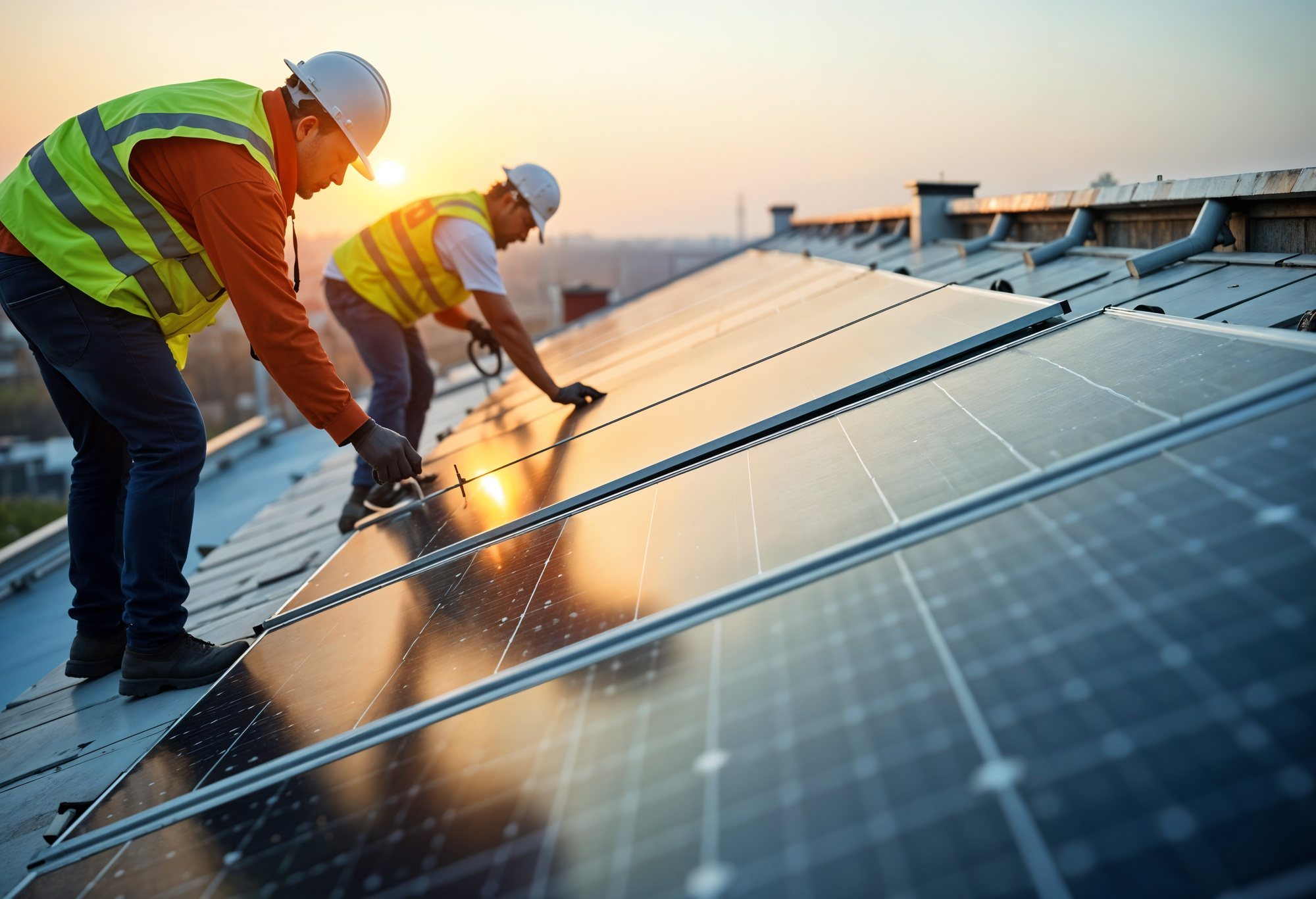
We turn site information and energy requirements into a structured solar system designed for your property.
We review electricity consumption, site assessment findings, available space, property requirements and your expectations from the system.
We determine suitable system capacity, configuration, component combination, layout and other important design considerations.
We review the proposed system with you, clarify the configuration and prepare it for the next stage of procurement and installation.
A carefully planned system helps ensure your solar investment is based on your actual requirements rather than a one-size-fits-all configuration.
Answers to the questions we hear most often about our solar panel solutions.
System sizing considers factors such as electricity consumption, available installation space, site conditions, system configuration and project requirements. These factors are assessed before recommending a suitable capacity.

Modern, reliable solar energy solutions to help you reduce electricity costs and build a sustainable future.
© 2026 Savior. All rights reserved.