
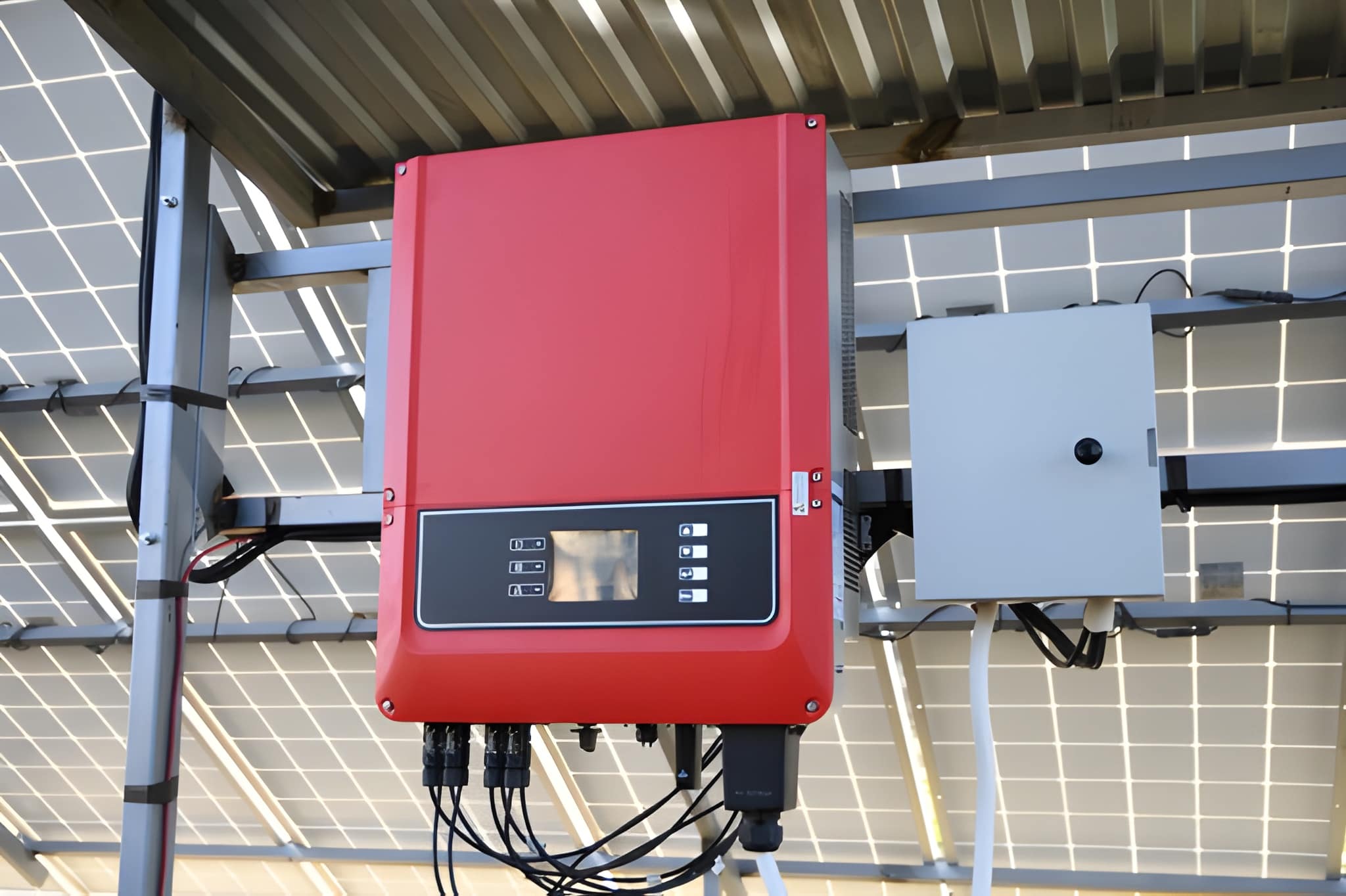
Commercial solar energy has evolved from a niche market to a mainstream business strategy. Companies of all sizes are discovering significant financial and environmental benefits.
Why Businesses Choose Commercial Solar
Primary Benefits
-
Dramatic Operational Cost Reduction
- Reduce energy bills by 40-80%
- Protect against rising electricity rates
- Hedge energy costs for 25+ years
-
Enhanced Corporate Image
- Demonstrate environmental commitment
- Attract and retain employees
- Appeal to environmentally conscious customers
-
Tax Advantages
- 30% Investment Tax Credit (ITC)
- Accelerated depreciation benefits
- State-level incentives and rebates
-
Increased Property Value
- Buildings with solar are more attractive to tenants
- Stable, predictable energy costs
- Modern, sustainable infrastructure
System Sizing and Scalability
Typical Commercial System Sizes
- Small retail: 10-25 kW
- Office building: 50-100 kW
- Manufacturing facility: 100-500 kW
- Large warehouse: 500+ kW
Scalability Advantages
- Start with partial roof coverage and expand
- Add ground-mounted arrays as needed
- Modular design allows future upgrades
Financial Analysis and ROI
Typical Commercial ROI Timeline
- Payback period: 4-6 years
- 25-year savings: $100,000-$500,000+ (depending on size)
- Internal Rate of Return: 15-25%
Financing Models
Owned System
- Highest ROI
- 30% tax credit immediately
- Full depreciation benefits
Solar Power Purchase Agreement (PPA)
- No upfront cost
- Predictable energy costs
- Provider handles maintenance
Solar Lease
- Low to no upfront investment
- Reduced energy costs
- Provider maintains system
Implementation Strategy
Phase 1: Assessment (1-2 months)
- Energy audit
- Roof or ground evaluation
- Financial analysis
- System design
Phase 2: Permitting (1-3 months)
- Local permit applications
- Utility interconnection
- Inspection scheduling
Phase 3: Installation (2-4 weeks)
- Equipment delivery
- Installation execution
- Final inspections
Phase 4: Operation (25+ years)
- Monitoring and maintenance
- Performance optimization
- Warranty management
Maintenance and Performance
Commercial systems require minimal maintenance:
- Quarterly inspections
- Annual cleaning
- Inverter monitoring
- Annual performance reports
Conclusion
Commercial solar systems offer compelling financial and strategic benefits. With proper planning and implementation, businesses can achieve significant cost savings while supporting their sustainability goals.