
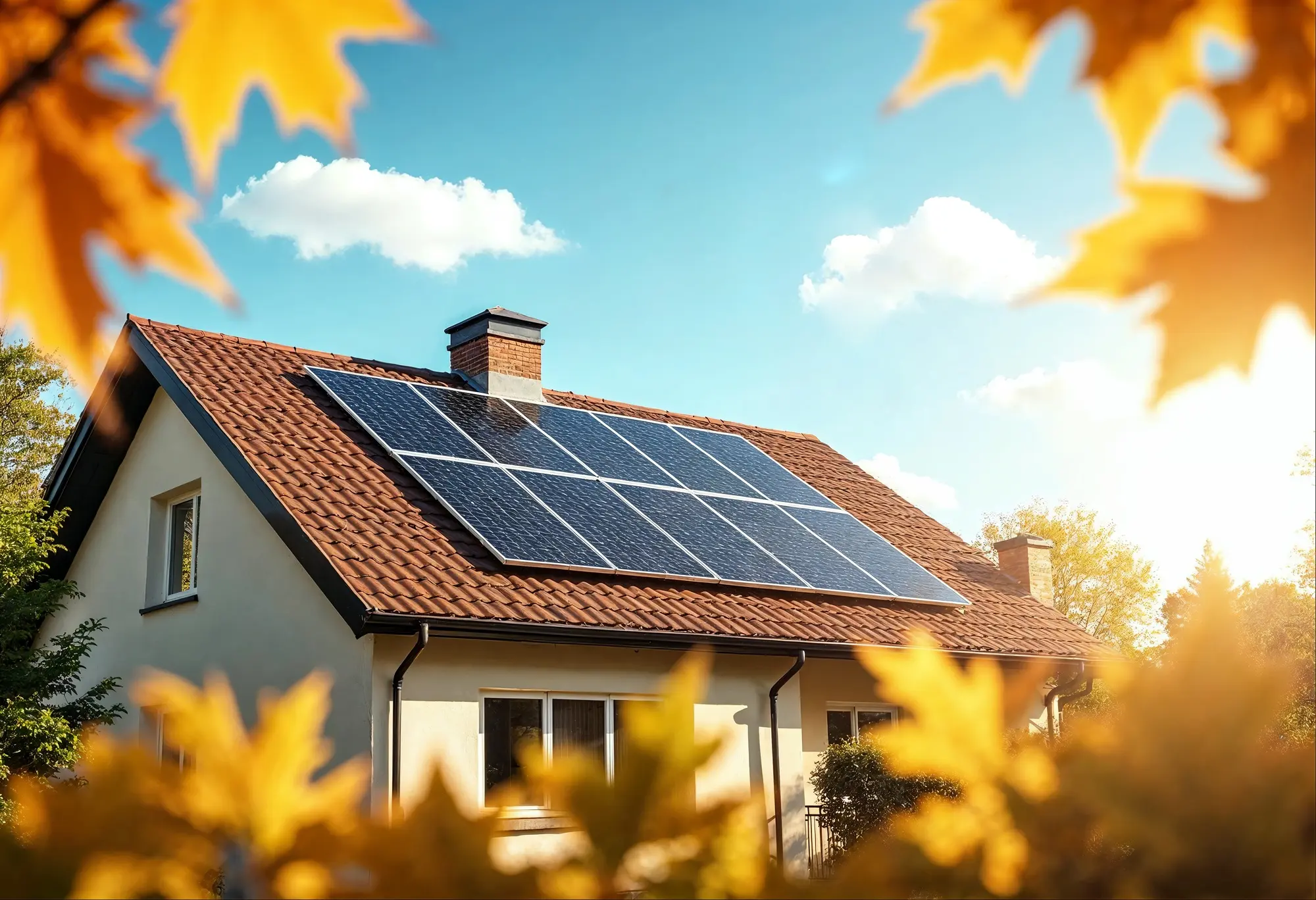
The investment in residential solar panels can be substantial, but the long-term savings often exceed expectations. Let's break down the costs and benefits.
Average Installation Costs (2024)
System Size and Cost Range
- 5 kW system: $12,500 - $15,000 (average home)
- 7.5 kW system: $18,750 - $22,500 (larger home)
- 10 kW system: $25,000 - $30,000 (high consumption)
These figures are after accounting for the 30% federal tax credit.
Available Incentives and Tax Credits
Federal Investment Tax Credit (ITC)
- 30% of installation costs as a tax credit
- Available through 2032, stepping down to 0% after
- No income limits or cap on credit amount
State and Local Incentives
- Accelerated depreciation (for businesses)
- Net metering programs (varies by state)
- State tax credits (up to $5,000 in some states)
- Utility rebates (typically $1,000-$5,000)
Calculating Your Annual Savings
Factors That Impact Savings:
- Current electricity rates in your area
- System size relative to consumption
- Sunlight exposure and climate
- Electricity rate increases (typically 2-3% annually)
Example Calculation:
- Annual electricity cost: $1,500
- 80% offset with solar: $1,200 annual savings
- Over 25 years: $30,000+ in savings
- With rate increases: $40,000+ in total savings
Financing Options
Solar Loans
- Interest rates: 3-8% APR
- Loan terms: 5-20 years
- Monthly payments typically less than electricity savings
Solar Leases
- No upfront cost
- Lower savings (30-50% less than purchase)
- Great for those unable to claim tax credits
Cash Purchase
- Fastest ROI (5-8 years)
- Maximize federal tax credits
- 25-30 year return on investment
Break-Even Analysis
Most residential systems break even in 5-8 years, leaving 17-20 years of pure savings. Over the system's 25-30 year lifespan, typical savings range from $30,000-$50,000.
Additional Benefits
- Increased home value (3-4% on average)
- Energy independence and security
- Environmental impact
- Protection against rising electricity rates
Conclusion
While the upfront cost of solar panels is significant, federal incentives and long-term savings make it a smart financial investment for most homeowners. Start with a professional energy audit and quote to understand your specific potential savings.